
How To Make Friends And Influence People - The Ever Changing Role of Social Media in Estate Agency and Its Long Term Impact
How To Make Friends And Influence People
The Ever Changing Role of Social Media in Estate Agency and Its Long Term Impact
From Jon Byers, Founder of Anderson Rose
If you are thinking about buying or selling a home, enjoy interior inspiration, or simply have a passion for property, there is a good chance your social media algorithm is already filled with estate agents and propfluencers giving tours of beautifully presented homes or showcasing aspirational lifestyles.
But is this a recent phenomenon? Is it simply the influencer trend merging with the property market? Or is social media now a permanent fixture in how homes are marketed and sold?
The reality is that the numbers speak for themselves. Engagement, views and followers are rising rapidly across platforms. So the question becomes: how much importance should sellers place on an agent’s social media presence when choosing who to market their home?
From Newspaper Ads to Property Portals
Property marketing today is in a completely different stratosphere compared with when Jon Byers began his career in 1999.
At that time, Primelocation.com had just launched and was considered revolutionary. Even then, it only showcased some listings from well known national brands and certainly was not all of market. There was no Rightmove or Zoopla yet, and more than a decade later OnTheMarket would be launched in an attempt to rebalance the dominance of the portals the industry had created.
Before online portals, buyers and tenants typically began their property search by walking down their local high street and registering in person with multiple estate agents. Sellers chose agents based largely on local reputation and marketing promises, which usually meant adverts in the local newspaper or, for higher value homes, luxury publications such as Country Life or titles from Condé Nast.
The Portal Revolution
In the 2000s, property portals fundamentally changed the market. Suddenly, large and small agencies could list homes on the same platforms, creating a more level playing field.
However, that shift also made it harder for exceptional agents to stand out.
By the 2010s, self service brands like Purplebricks entered the market suggesting that sellers did not really need estate agents at all. That was a transformative moment. It forced the industry to improve by removing poor quality operators while challenging strong agents to demonstrate their real value.
Enter the Instagram Agent
In 2019, Netflix released an unexpected hit, Selling Sunset. The show brought luxury real estate and the personalities behind it into the spotlight and suddenly Instagram agents, those who operate largely through social media, and property influencers became widely recognised.
Fast forward to today and the landscape has become even more interesting.
According to Jon Byers, estate agency today is more creative, skilled and complex than ever before. The profession has evolved significantly and full service estate agency has prevailed, allowing experienced agents to demonstrate the real value they bring to the process.
Social media has not replaced great estate agents. Instead, it has simply provided a platform to showcase what great agents actually do.
Showing the Real Work Behind Estate Agency
Before social media, many people questioned the value estate agents added to the buying and selling process.
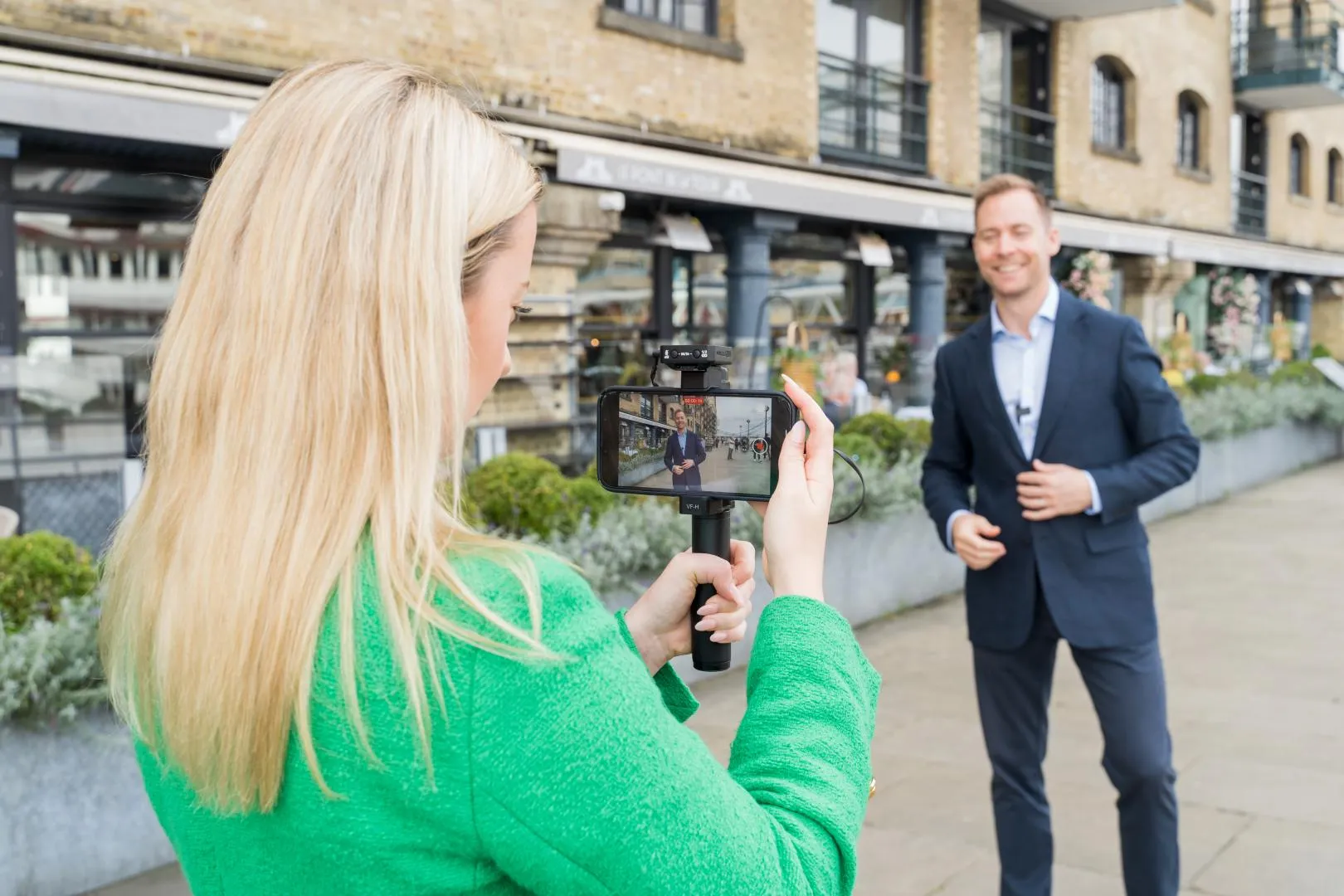
Today, through video tours, behind the scenes content and deal updates, the public can see the effort, expertise and problem solving required to successfully complete transactions.
However, as with anything online, there are two sides to the story.
While platforms such as Instagram and TikTok allow talented agents to demonstrate their skills and showcase listings beautifully, they also allow some individuals to exaggerate their scale, influence or role. This can distort perceptions and undermine trust.
The Four Modern Estate Agency Models
Over the past decade, the industry has broadly divided into four categories:
Traditional full service estate agents with little or no video or social media presence
Social media influencers or propfluencers who advertise or sell property primarily online
Full service estate agents with strong video and social media marketing
Self service online platforms with local property representatives and generic corporate marketing
Jon Byers believes the future of estate agency firmly sits with category three.
Why Anderson Rose Adopted Video Early
Anderson Rose was among the first UK estate agencies to embrace video marketing. Jon Byers filmed his first property video in 2012, at a time when many competitors viewed the idea with scepticism.
The reasoning was simple.
Buyers had begun browsing listings anonymously online rather than speaking with agents first. Video allowed Anderson Rose to bring the viewing experience directly to those buyers, effectively placing the agent inside the online listing and creating engagement with audiences who might otherwise remain anonymous.
The strategy worked and gave Anderson Rose a genuine unique selling point, as few competitors were producing video content at that time.
Naturally innovation evolves. The unique selling point gradually shifted from we do video to we produce the best video.
The Pandemic Acceleration
The next major shift came during the COVID pandemic.
After an initial pause across the property industry, estate agents suddenly had to operate in a world where people could not leave their homes. Video, virtual tours and social media quickly became the lifeblood of property marketing and lead generation.
Many agents rushed to adopt video, although the early results varied widely in quality.
For Anderson Rose, however, having video tours already in place proved invaluable. While other agents scrambled to adapt, the company’s listings already had strong digital content online.
One transaction in particular highlighted the power of video, when Anderson Rose successfully agreed a £3.6 million sale largely on the strength of the property video alone.
The New Expectation
After the pandemic, many sellers and landlords now expect video tours alongside professional photography and floor plans.
However, there remains a broad range in quality and format.
At Anderson Rose, the focus has been on producing high quality landscape videos for property portals, hosted via the company’s YouTube channel and integrated into listings on platforms such as Rightmove and Zoopla.
The next stage of growth is focused on expanding the company’s presence on Instagram, TikTok and LinkedIn by creating engaging short form portrait content.
Currently Anderson Rose has more than 4,000 followers across Instagram and TikTok, with the goal of multiplying that audience significantly over the next year.
Balancing Reach and Substance
For a traditional full service estate agency embracing social media there is a delicate balance to strike.
The goal is not simply to chase views or viral clips. Instead content should:
Demonstrate expertise
Showcase property effectively
Reach the right audience
Generate genuine enquiries and leads
In many ways social media has replaced traditional print advertising, but it is significantly more powerful.
Property portals remain essential for buyers actively searching within specific locations. Social media works differently. Algorithms place property content in front of people who already show an interest in homes, interiors or luxury lifestyles.
In other words, it reaches audiences traditional platforms might never find.
Instagram Agents vs Full Service Agents
So should sellers choose an Instagram agent or propfluencer?
Jon Byers believes the best option is a full service estate agent who produces excellent video content, has a strong social media presence and still delivers the full expertise required to manage complex property transactions.
He also predicts that traditional agents who avoid digital marketing entirely, as well as purely self service platforms, will struggle to remain competitive in the prime property sector unless they evolve.
Marketing Is Only Half the Job
While social media and marketing play an increasingly important role, Jon Byers emphasises that they represent only half of what estate agents do.
The other half involves acting as trusted advisors, negotiating complex deals and guiding clients through what can often be long and complicated transactions.
Sales can stall or collapse without proper management, and the private rental sector has become increasingly complex due to regulation. For that reason Anderson Rose remains just as focused on maintaining its five star customer rating on Google as it does on building its social media presence.
Interestingly many Instagram focused agents do not appear on customer review platforms, something Jon Byers believes sellers should consider carefully.
Looking Ahead
While social media offers powerful marketing opportunities, it remains largely unregulated. That means results and services can sometimes be misrepresented online.
For Anderson Rose the goal is clear: combine strong digital marketing with traditional estate agency expertise.
Jon Byers often references the US real estate firm Serhant, led by Ryan Serhant, as a source of inspiration. The ambition is to push boundaries, innovate and deliver outstanding results and ultimately become a UK equivalent in the prime property market.
For further information about Anderson Rose and its services:
020 3324 0188
www.andersonrose.co.uk



Share this with
Email
Facebook
Messenger
X
Pinterest
LinkedIn
Copy this link